
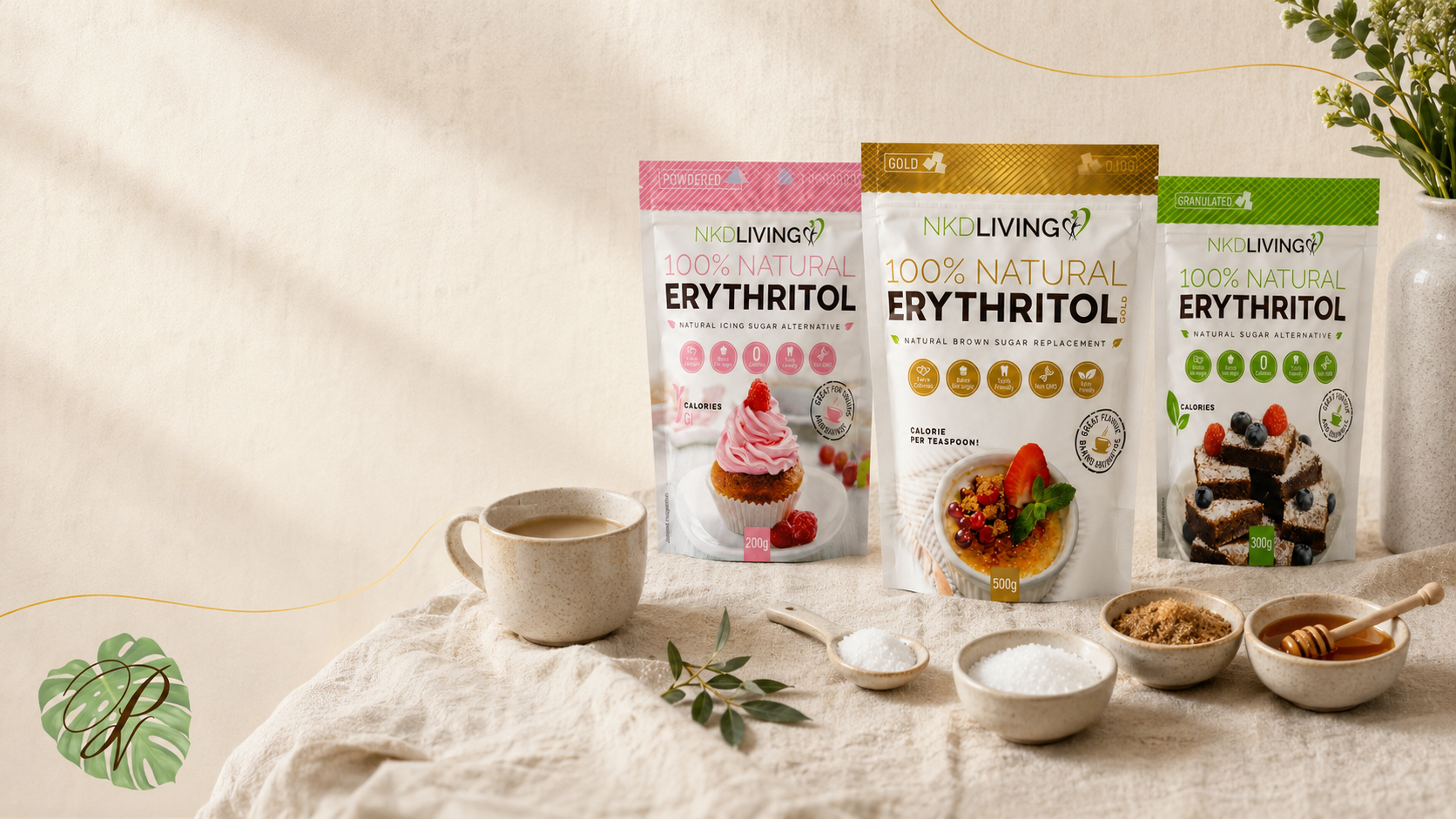
You have probably done it before.
You reach for honey instead of sugar and think, “This must be the healthier choice.”
And sometimes, that may feel true. Honey sounds natural. Maple syrup sounds wholesome. Coconut sugar sounds better than white sugar. But when you look at the everyday numbers — calories, carbs and glycemic index — the story becomes a little more interesting.
Because “natural” does not always mean lower sugar.
And “brown” does not always mean better.
The Sweetener Confusion Is Real
Most people are not trying to become nutrition experts.
They just want to make better choices for their tea, coffee, breakfast bowls, baking, desserts and everyday cravings.
But the sweetener aisle can be confusing.
You see words like:
- Natural
- Raw
- Brown
- Organic
- Low GI
- Sugar-free
- Alternative sweetener
And suddenly a simple cup of tea becomes a decision.
At Pure Vibes, we believe healthy swaps should feel simple, not stressful. The goal is not to remove sweetness from your life. The goal is to understand what you are adding to your routine, then choose a swap that feels realistic enough to stick to.
Small swap. Better routine. Real life.
First: Sugar Is Still Sugar
Let’s start with the familiar ones.
White sugar, brown sugar and raw cane sugar may look different, but when you compare them by serving size, they are much closer than most people think.
For a standard tablespoon comparison:
- White sugar: 48 calories / 12g carbs
- Brown sugar: 51 calories / 13g carbs
- Raw cane sugar: 48 calories / 12g carbs
Different names.
Very similar impact.
This does not mean you can never use them. It simply means that switching from white sugar to brown sugar is not always the big “healthy swap” people imagine it to be.
If you are trying to reduce sugar in your daily routine, the better question is not, “Which sugar sounds healthier?”
The better question is:
What does this sweetener actually add to my day?
The “Natural Sweetener” Trap
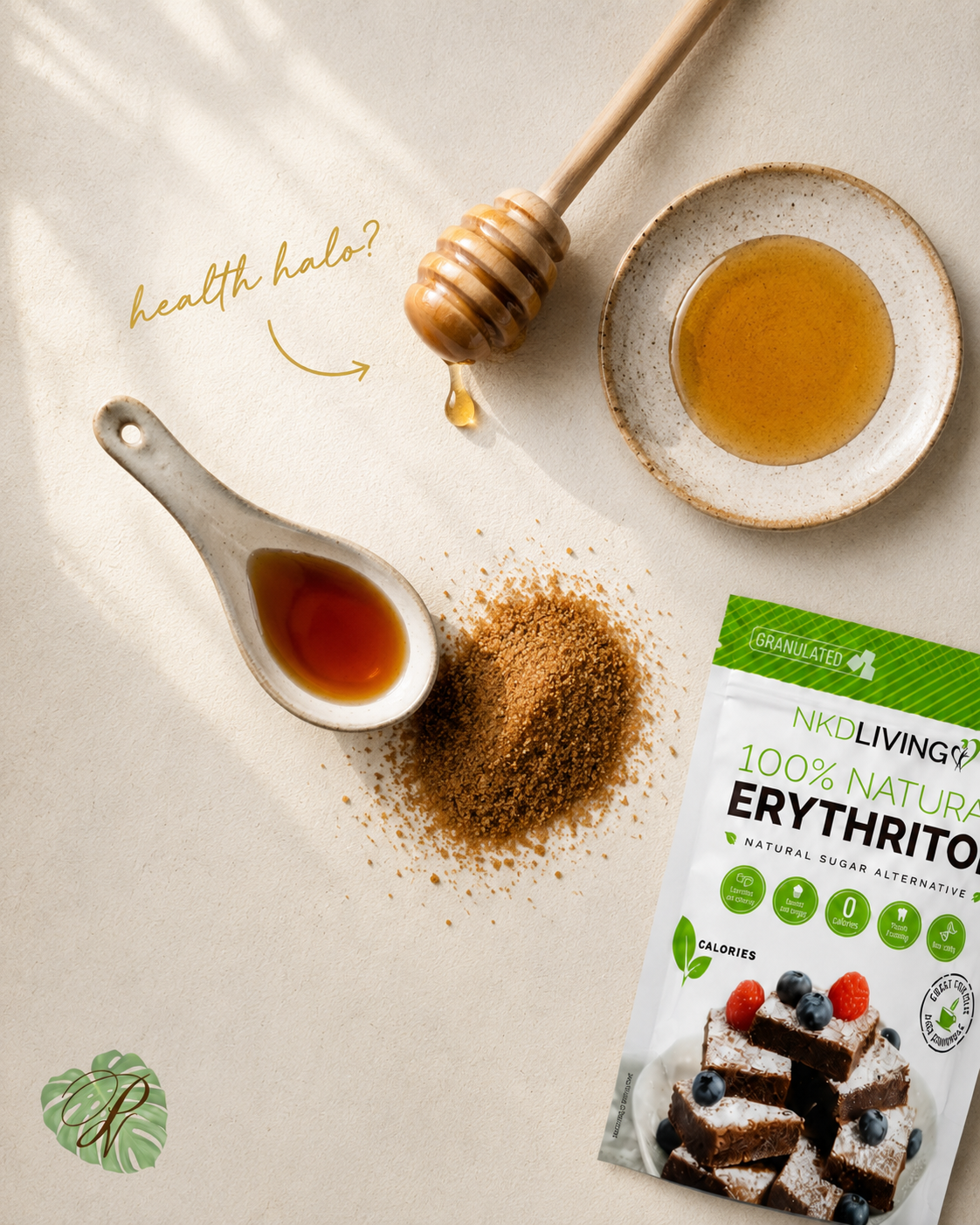
Honey, maple syrup, agave and coconut sugar often carry what we call a “health halo.”
They feel softer. Warmer. More natural.
And yes, they can have a place in your pantry.
But they are not free passes.
In a tablespoon comparison:
- Honey: 64 calories / 17g carbs
- Maple syrup: 52 calories / 13g carbs
- Agave: 60 calories / 16g carbs
That means if you are using them every day in tea, coffee, oats, smoothies, pancakes or baking, the numbers still count.
This is where many people get caught.
They are not eating “badly.” They are simply making swaps that sound healthier without realizing the daily impact may not be very different from sugar.
And this is exactly why clear comparison matters.
The Big 3 to Check Before Choosing a Sweetener
When comparing sweeteners, focus on three things:
1. Calories
Calories matter most when a sweetener becomes part of a daily routine.
One spoon in tea may not feel like much. But if that happens every morning, every evening, and in a few recipes during the week, it starts becoming a pattern.
2. Carbs
Carbs are important for people trying to be more sugar-aware.
Many natural sweeteners still contain high carbohydrates per serving. That does not automatically make them “bad,” but it does mean they may not be the best everyday swap if your goal is to reduce sugar intake.
3. Glycemic Index
The glycemic index, often called GI, gives an idea of how quickly a carbohydrate-containing food may affect blood sugar levels.
For sugar-aware households, this is one of the most useful numbers to understand.
If you are managing a medical condition such as diabetes, always speak with your healthcare provider before making dietary changes. But for everyday education, GI is a helpful starting point.
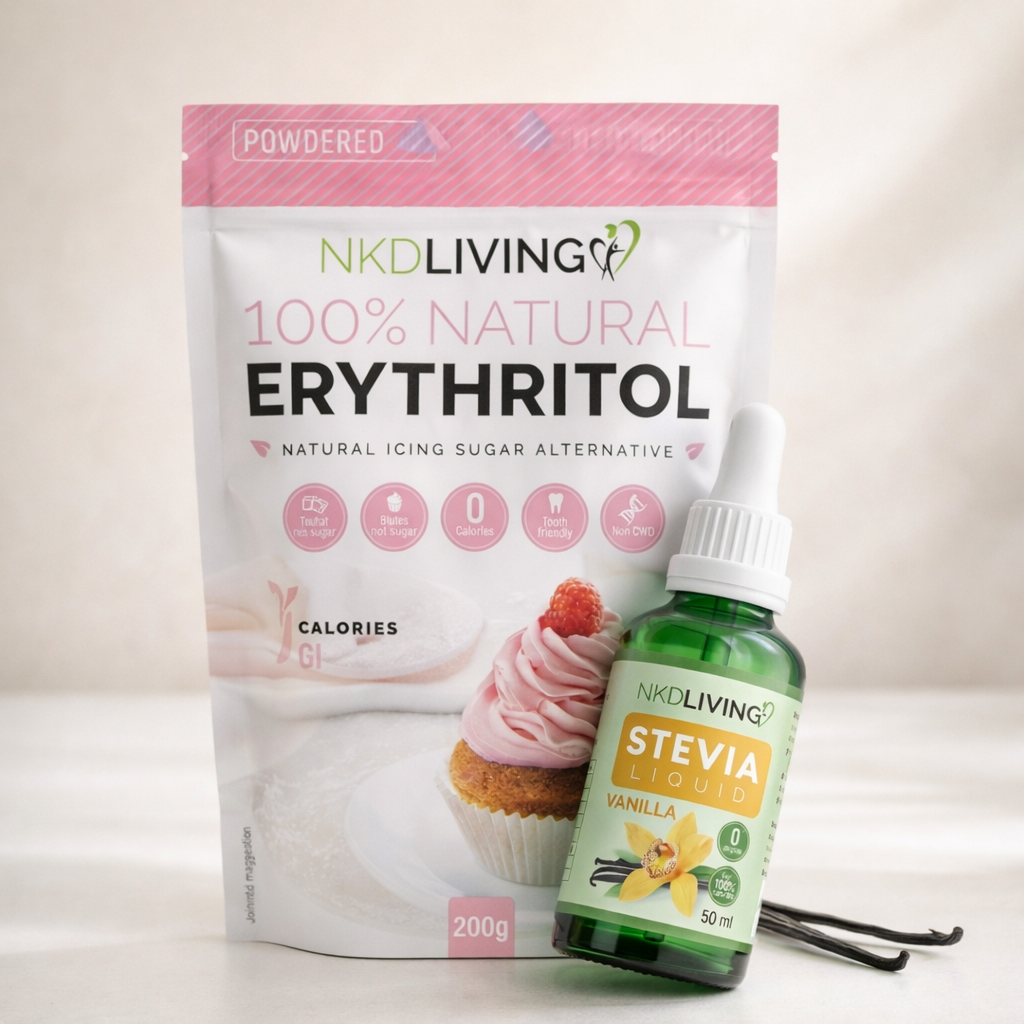
Where Erythritol Stands Out
This is where erythritol becomes interesting.
In the comparison chart, erythritol stands apart because it offers:
- 0 calories
- 0g carbs
- 0 glycemic index
That makes it a practical option for people who still want sweetness, but want a smarter everyday swap.
Not because you need to be perfect.
Not because you need to quit sweetness.
But because your daily habits are built from tiny repeated choices.
Your cup of tea.
Your morning coffee.
Your weekend baking.
Your breakfast bowl.
Your “I just need something sweet” moment after lunch.
When the swap is easy, it becomes repeatable.
And repeatable is what becomes a routine.
So, Should You Stop Using Honey or Maple Syrup?
No.
That is not the point.
Honey, maple syrup, agave and coconut sugar can still have a place depending on the recipe, flavour, texture or occasion.
The smarter approach is to separate occasional flavour choices from everyday sweetening habits.
For example:
Use honey when you want that distinct honey flavour.
Use maple syrup when the recipe needs maple depth.
Use coconut sugar when you want a caramel-like taste.
Use erythritol when you want an everyday sugar alternative for tea, coffee, baking or routine sweetening.
That is how you build a pantry that works for real life.
Not restrictive.
Not complicated.
Just more intentional.
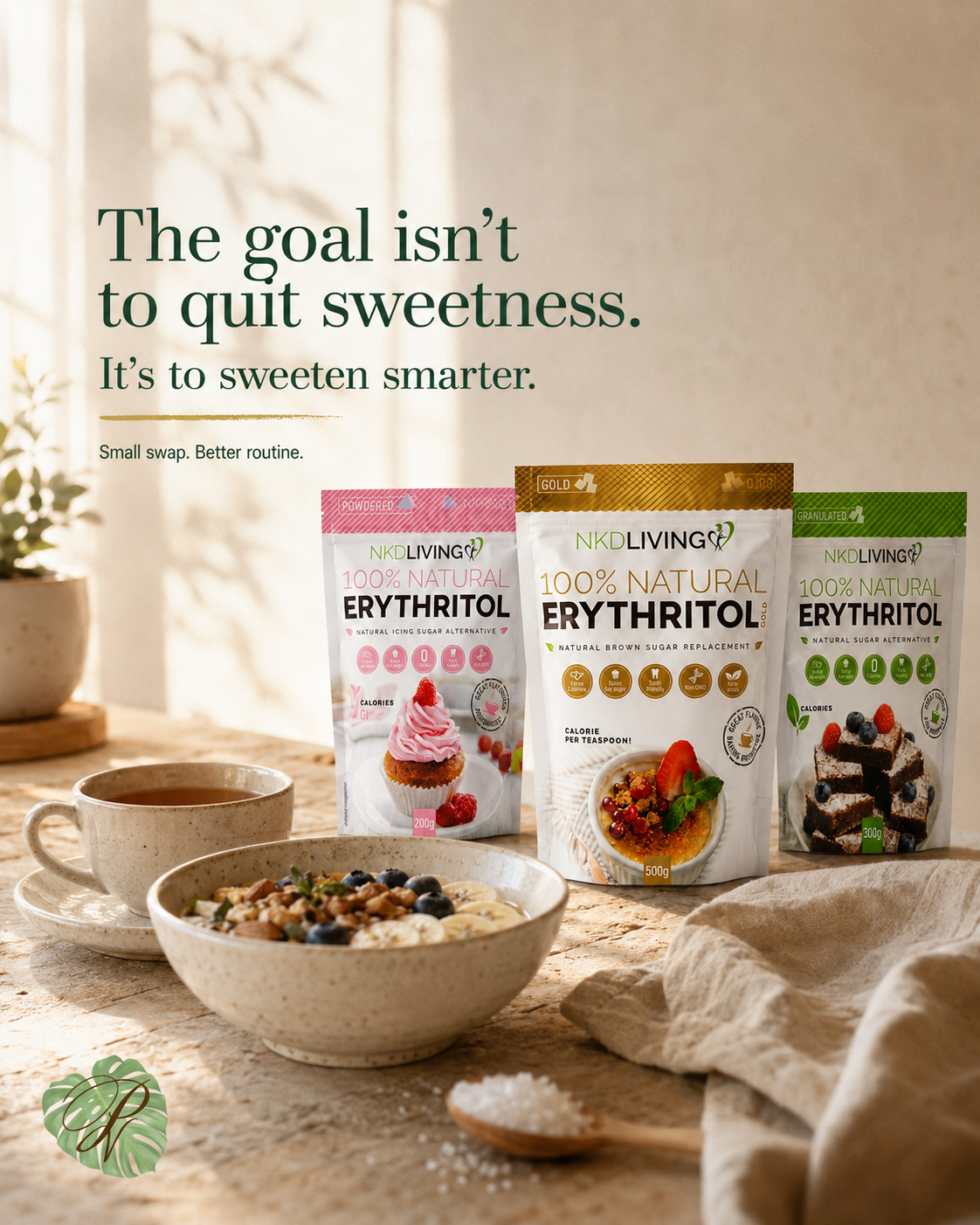
The Real Goal: Sweeten Smarter
The best healthy swap is not the one that sounds the most impressive.
It is the one you can actually use.
At Pure Vibes, we love swaps that make everyday routines easier to improve without turning food into a lecture.
So if you are trying to reduce sugar, start small.
Change the sweetener in your tea.
Try a swap in your coffee.
Use a better option for your next bake.
Test it in your breakfast bowl.
You do not need to overhaul your whole pantry in one day.
You just need one swap that makes sense.
Need Help Choosing the Right Sugar Swap?
Choosing the right sweetener depends on how you plan to use it.
Tea and coffee may need one type of swap.
Baking may need another.
Breakfast bowls, desserts and family pantry staples may need different options too.
If you are not sure where to start, we can help.
Send SUGAR on WhatsApp and the Pure Vibes team will guide you toward the best sugar swap for your tea, coffee, baking or everyday routine.
Small swap.
Better routine.
Joyfully healthy.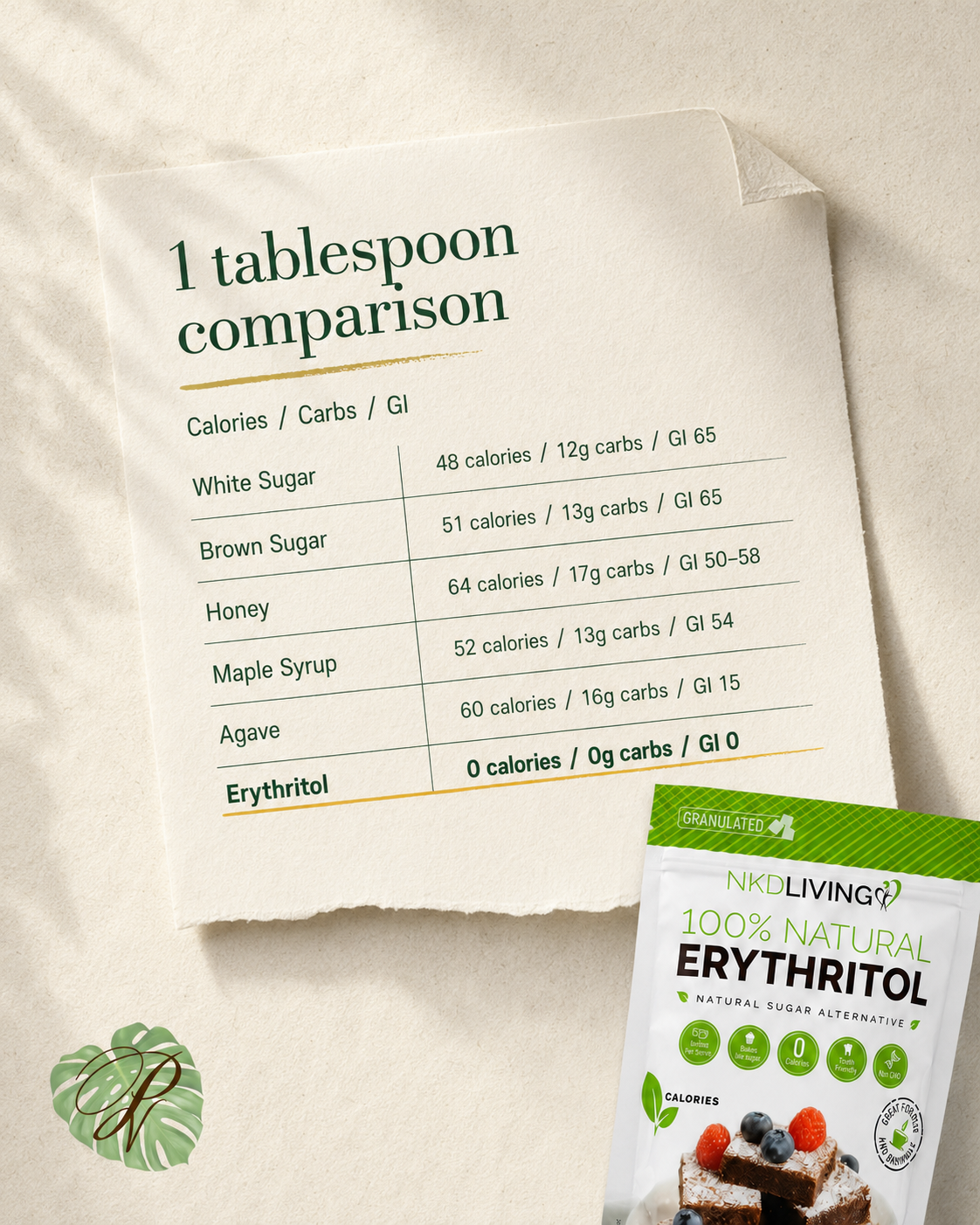






 Home
Home  Whishlist
  Compare
  Checkout
  Account